February 6, 2026
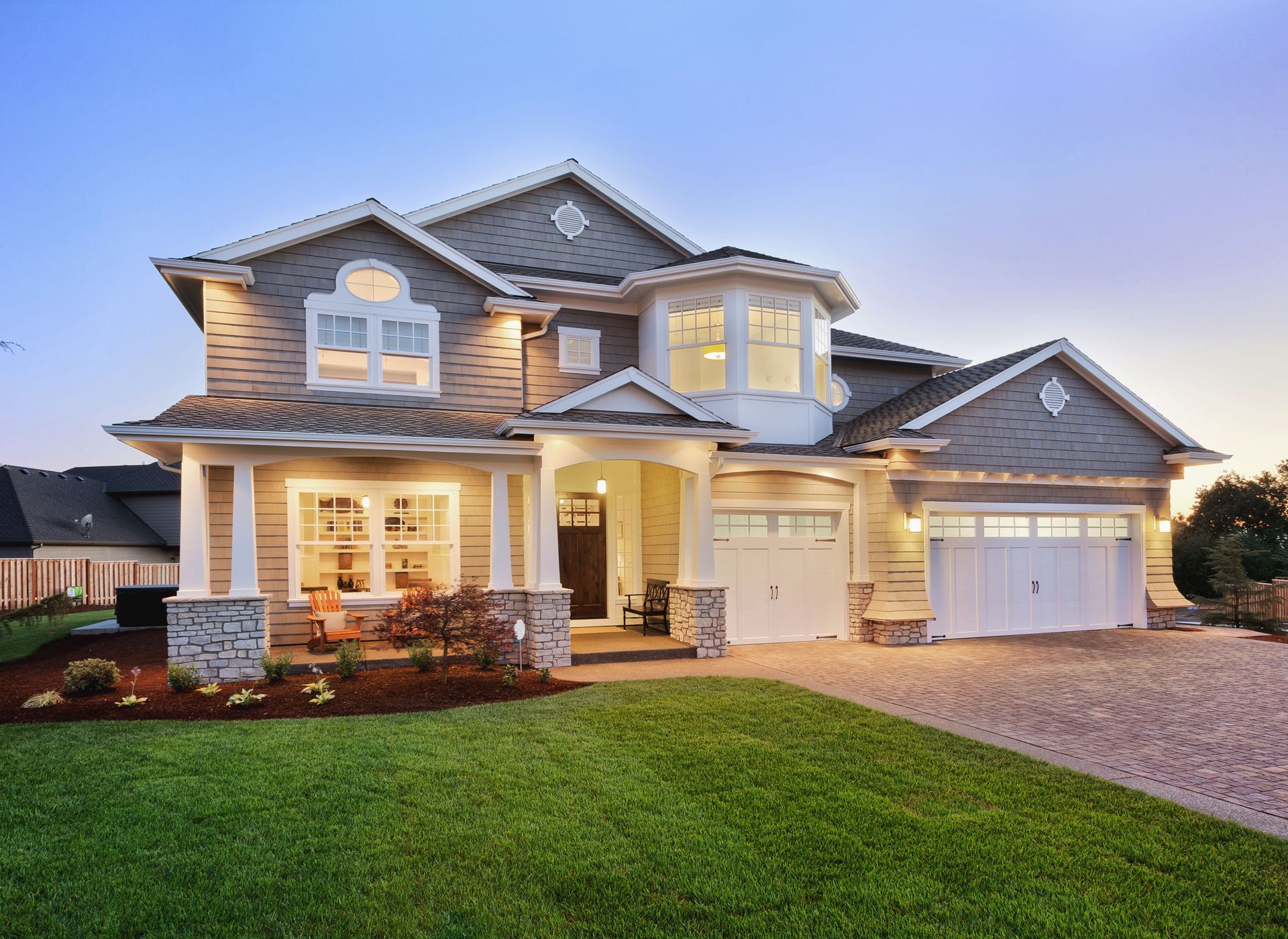
Homeowners insurance plays a critical role in protecting one of your most valuable assets—your home. From natural disasters to unexpected accidents, the right policy helps shield homeowners from significant financial strain when the unexpected occurs. Beyond basic protection, homeowners insurance offers layered coverage that supports long-term financial stability and peace of mind. Gaining a clear understanding of how this coverage works is essential for making informed decisions and ensuring your property is properly safeguarded.
Protect Your Home’s Physical Structure
Homeowners insurance typically covers damage to the physical structure of your home. This includes protection against losses from fire, windstorms, hail, lightning, and other perils listed in your policy. If your home needs repairs or rebuilding after a covered event, homeowners insurance helps cover the costs, ensuring your home is restored to its former glory. It is crucial to understand the specifics of your policy coverage to ensure it aligns with potential risks in your geographic location.
Structural coverage is vital because external factors like climate can have significant impacts. According to the Insurance Information Institute, nearly one in 36 insured homes has a property damage claim related to hail or wind. This statistic underscores the importance of reviewing and understanding your coverage details to make sure you are adequately protected. Evaluating your home’s structure and potential liabilities, then choosing appropriate coverage limits, is essential.
Safeguard Your Belongings
In addition to covering structural damage, homeowners insurance also covers belongings. This aspect of coverage serves to protect items such as furniture, electronics, and other personal possessions in your home. In the event of damage or theft, your insurance can help reimburse you for the cost of replacing these items. It is advisable to maintain an updated home inventory to expedite the valuation and claims process if such an event were to occur.
Knowing what your policy covers and the extent of that coverage for belongings is critical. Typically, homeowners insurance policies cover personal items on a replacement cost basis or an actual cash value basis, influencing the compensation amount you receive. Homeowners can also acquire additional riders for valuable items that may exceed standard policy limits, such as jewelry or art collections. Regularly updating your policy is important to reflect changes in your personal inventory.
Reduce Financial Risk With Liability Coverage
Homeowners insurance also offers liability protection, an often-overlooked yet crucial aspect of ownership. This coverage protects you against legal and financial responsibility if someone is injured on your property. From personal injury claims to damage caused by you or your pets, liability protection can cover the costs of legal defense and medical expenses. With this coverage, homeowners can rest assured knowing they are protected from potential lawsuits or claims.
Understanding the full scope of liability protection within your homeowners insurance policy can save you from significant financial strain. It includes scenarios such as a visitor tripping on loose carpeting and sustaining injuries or your dog biting a neighbor's child. Ensuring that your liability coverage limits are appropriately set relative to potential risks or personal exposure is crucial. Many policies also offer options for additional liability coverage, providing heightened protection.
Cover Temporary Living Costs After a Loss
Among the various coverage options included in homeowners insurance, one significant aspect is the provision for Additional Living Expenses (ALE). This element of your policy helps cover the extra costs of living elsewhere if your home is uninhabitable due to a covered disaster. Everything from hotel bills to meal expenses can be covered under ALE, ensuring your family's needs are met during reconstruction. Knowing that these expenses are addressed allows homeowners to focus on recovery without financial worry.
Additional Living Expenses coverage ensures that during tough times, you maintain a certain standard of living despite not residing in your home. Whether it's due to fire, flood, or another covered event, temporary housing solutions and related costs are managed by ALE. Policies vary on the length of time and the amount they cover, making it important for homeowners to be aware of their specific ALE terms. It represents one more critical reason to comprehensively understand your insurance policy.
Understand Policy Exclusions and Limitations
While homeowners insurance offers broad protection, understanding its exclusions and limitations is crucial. Not all perils are covered, with floods and earthquakes typically requiring separate policies. Recognizing these gaps is essential in making informed decisions about comprehensive protection plans. Thoroughly reviewing your policy's exclusions helps avoid surprises and ensures you are prepared for a broader range of potential risks.
Exclusions typically listed in standard homeowners insurance policies may include wear and tear, mold, nuclear hazard, and government actions, among others. Staying educated on these limitations ensures you are aware of scenarios where your standard policy may fall short, allowing you to seek additional coverage if necessary. Understanding your insurance policy's constraints enables you to strategize a more secure hedge against various risks.
Assess Your Home’s Replacement Value
Determining the appropriate amount of homeowners insurance begins with assessing the value of your home. This process involves estimating the cost to rebuild your home from the ground up, rather than the market value or purchase price you initially paid. Working with insurance agents or professionals to conduct a proper appraisal can help ensure your coverage is adequate. Regular evaluations are necessary, considering factors such as neighborhood developments and inflation affecting reconstruction costs.
Calculating your home's replacement cost ensures that homeowners are protected against complete loss scenarios requiring full rebuilding. It's important to consider elements like architectural uniqueness and construction quality, which may impact the total expense significantly. Utilizing various tools and expert appraisals can assist in gaining an accurate assessment of your replacement cost coverage needs. Establishing these values becomes crucial as they dictate the cost and terms of your homeowners insurance policy.
Calculate Accurate Rebuilding Costs
The rebuilding cost of a home is a detailed figure that requires careful analysis when setting insurance coverage amounts. This cost considers labor expenses, material prices, and sometimes the need for customizing unique architectural features. Collaborating with builders or insurers who understand local construction trends can assist in obtaining accurate cost estimates. In variable economic climates, rebuilding costs can fluctuate, so it's vital to keep coverage limits up to date.
Choosing adequate rebuilding cost coverage helps ensure your policy limits are sufficient, reducing the risk of costly out-of-pocket expenses after property damage. By aligning homeowners insurance policy limits with accurate rebuilding valuations, financial exposures can be effectively managed. Regional disparities in labor and material costs necessitate a localized approach to determining rebuilding costs. This helps ensure coverage is reflective of true expenses incurred in potential repair or rebuilding scenarios.
Determine Appropriate Liability Coverage Limits
Determining liability coverage limits is a nuanced process aligned closely with personal lifestyle and risk assessment. The liability portion of homeowners insurance protects financial streams, anticipating various legal scenarios from accidents or mishaps occurring within property bounds. Evaluating potential risks—such as having a pool, hosting frequent gatherings, or owning certain pets—helps inform appropriate liability coverage levels. Matching coverage needs to lifestyle dynamics ensures holistic protection against unforeseen incidents.
Analyzing liability needs involves reviewing family dynamics, property features, and likely visitor interactions that could lead to potential claims. Using these factors to guide your coverage choices minimizes the financial risk of liability claims. The decision-making process should also explore umbrella insurance, extending coverage beyond standard policy limits for added security. These additional layers of protection become instrumental when navigating complex liability exposure situations that necessitate enhanced financial safeguards.
Ultimately, homeowners insurance serves as a cornerstone of responsible homeownership by protecting against a wide range of risks. With coverage extending to your home’s structure, belongings, liability concerns, and temporary living expenses, it offers a well-rounded safety net during challenging times. Carefully reviewing policy details and tailoring coverage to your unique needs helps prevent costly gaps in protection. By remaining proactive and informed, homeowners can confidently protect their investment and navigate unforeseen events with greater security and peace of mind. Reach out to Monument Insurance to learn more about our services today.